Do You Need a Water Softener in Tampa?
Published 2026-09-23 · Mr Water Heater Team · Florida Master Plumber Licence CFC1433539.
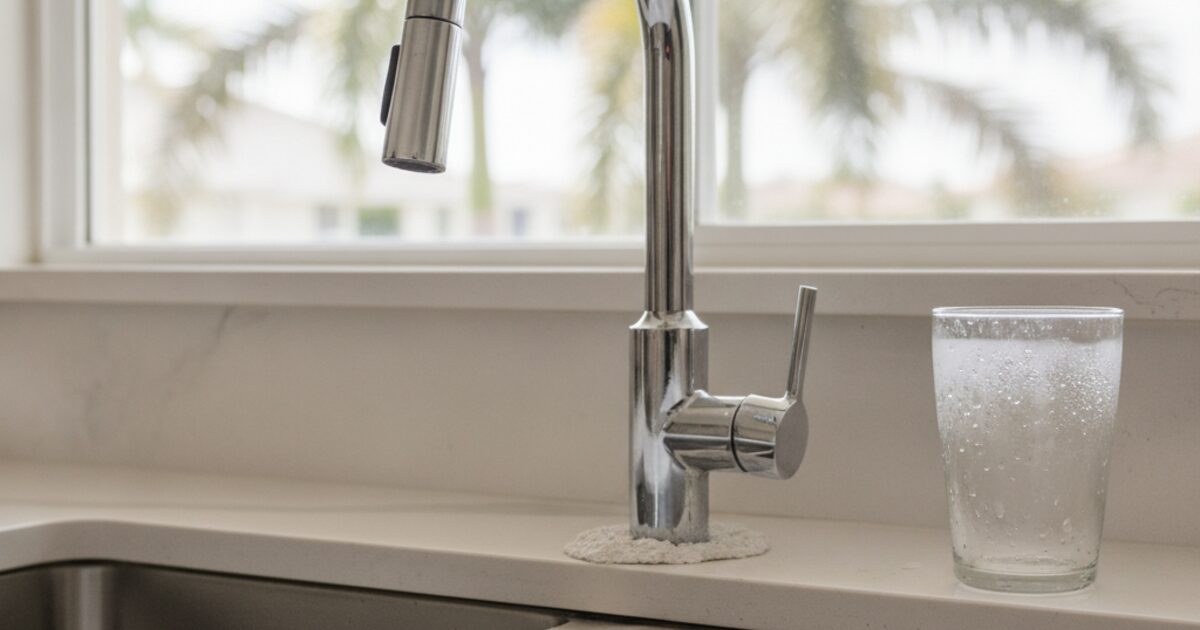
Most Tampa homes on city water have hard water: the Tampa Water Department reported an average hardness of 10.8 grains per gallon in 2024, well above the level usually classed as hard. Whether you need a water softener depends on how much the scale, spotting, and soap residue bother you and what is happening inside your fixtures and water heater, because a softener is a comfort and equipment choice rather than a safety requirement.
Most Tampa homes on city water have hard water: the Tampa Water Department reported an average hardness of 10.8 grains per gallon in 2024, well above the level usually classed as hard. Whether you need a water softener depends on how much the scale, spotting, and soap residue bother you and what is happening inside your fixtures and water heater, because a softener is a comfort and equipment choice rather than a safety requirement.
How hard is Tampa's water?
Tampa's tap water comes mainly from the Hillsborough River. As water travels over and through the ground, it dissolves naturally occurring minerals such as calcium and magnesium. Those minerals are what "hardness" measures.
The City of Tampa publishes the numbers. Its 2024 Water Quality Report gives the average total hardness of finished water as 185 mg/L, or 10.8 grains per gallon.
The average hides a seasonal swing. The city's own guide to water hardness says Tampa's hardness runs between about 140 and 300 parts per million (8 to 17 grains per gallon):
- Lower during the wet season
- Higher during the dry season
The same guide, citing the USGS, notes that water is considered hard above 120 parts per million. By that measure, Tampa city water is hard all year round.
Not every home in our service area is on Tampa city water. Homes in Pasco, Pinellas, and Hernando communities may be served by a different utility or a private well. Your utility's annual water quality report will list its own hardness figure.
Is hard water a problem?
The City of Tampa is clear on this point: hard water is fine to drink and use without a softener. Hardness is not a health issue. It is a nuisance and a maintenance issue.
Signs hard water is costing you effort
Most Tampa homeowners notice hard water through the cleaning before anything else:
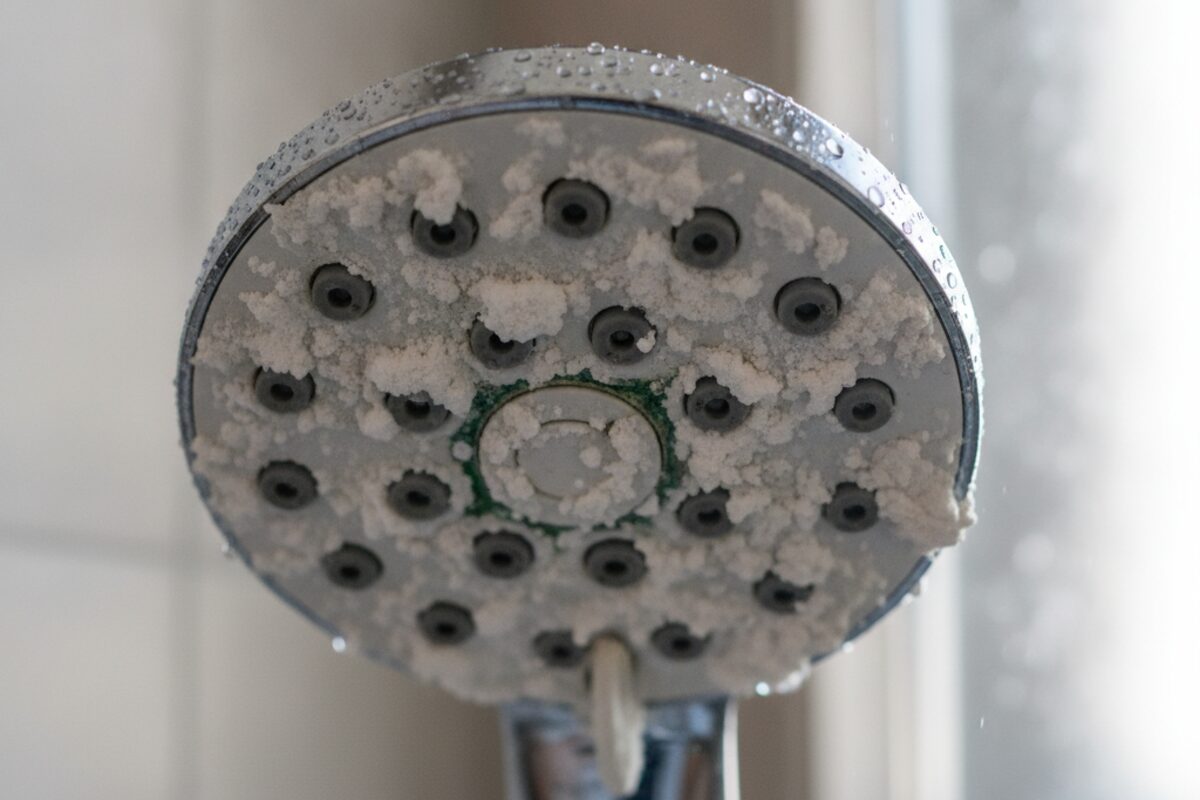
- White spots on glasses, dishes, and shower doors
- Chalky crust around faucet bases and aerators
- Showerheads that spray unevenly as the nozzles scale up
- Soap and shampoo that lather poorly or leave a film
- Laundry that feels stiff, and extra detergent to get the same result
Inside the plumbing, the same minerals settle wherever water is heated. In a tank water heater they collect as sediment on the bottom. That is one cause of the popping and rumbling covered in our guide to preventing water heater failure. In a tankless unit they build up as scale on the heat exchanger, which is why tankless systems need periodic descaling.
What a water softener does, and what it doesn't
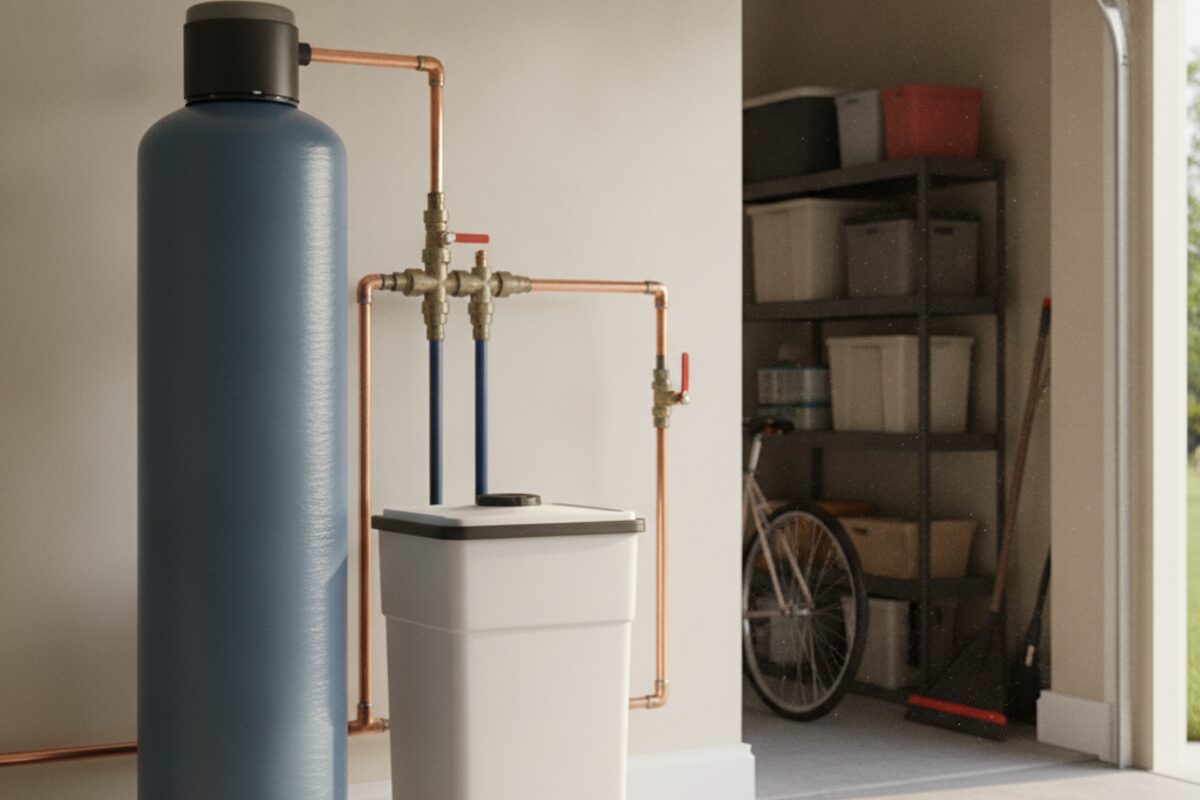
A whole-home softener runs your incoming water through resin that swaps the calcium and magnesium for sodium or potassium. The unit then flushes the captured minerals to a drain during a regeneration cycle.
What a softener can do:
- Reduce new scale on fixtures, glass, and appliances
- Help soap and detergent work as intended
- Reduce the mineral load reaching your water heater
What it can't do:
- Remove scale that is already there. Fixtures still need cleaning and water heaters still need maintenance.
- Remove chlorine taste, sediment, or other contaminants. That is a filtration job, covered by whole-home water filtration.
- Fix leaks or other plumbing defects
The trade-offs to weigh first
Tampa's water guide lists considerations worth knowing before you buy:
- Sodium. Many softeners exchange sodium for hardness minerals, which raises the sodium content of the water. If you are on a sodium-restricted diet, the city suggests talking to your physician first.
- Maintenance. Salt has to be replenished. The city also notes that a softener left unused can grow bacteria.
- Water and salt use. On-demand units regenerate only when needed. That saves water and salt compared with timer-based cycles.
- Certification. The not-for-profit NSF (National Sanitation Foundation) independently tests home water treatment devices. It is a useful check when comparing models.
How to decide for your home
A softener tends to make sense when:
- Scale and spotting are a weekly frustration, not an occasional one
- Your water heater or fixtures keep showing mineral build-up
- You have a tankless water heater and want to reduce how quickly scale returns
- Your household is large enough that detergent, cleaning time, and fixture wear add up
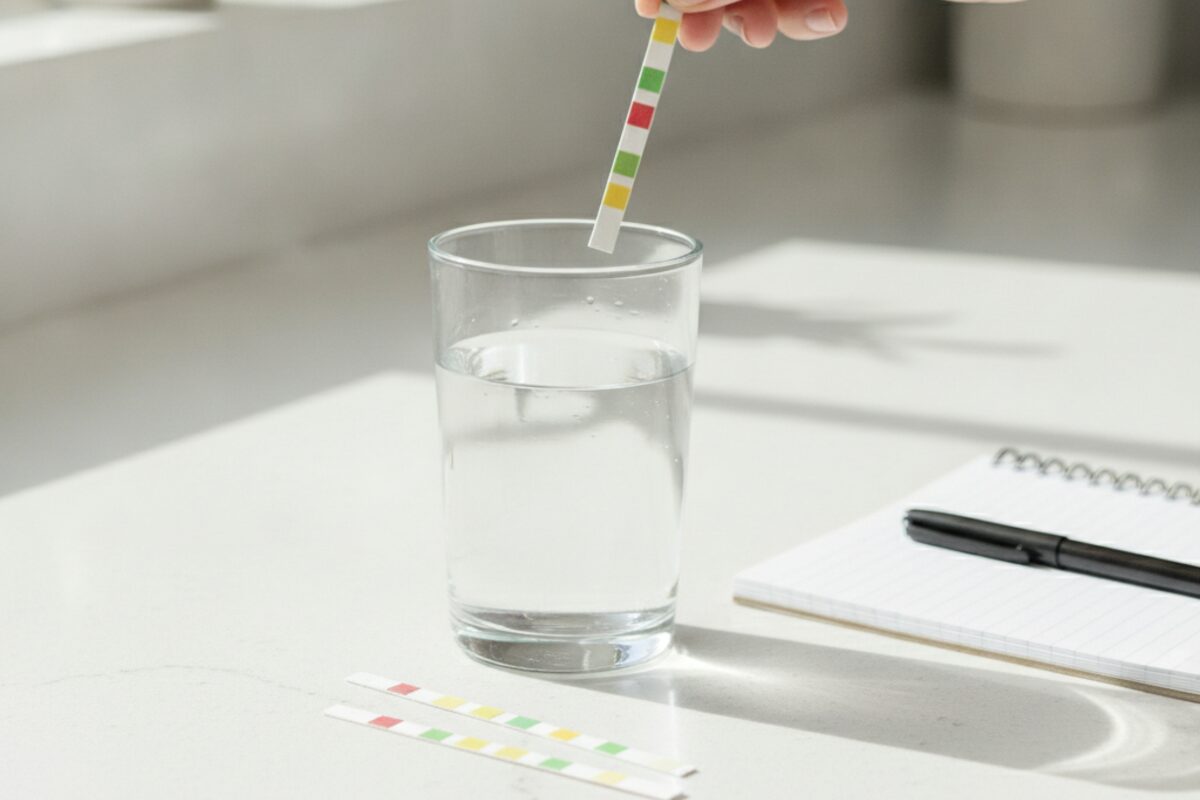
It may not be worth it if the symptoms barely bother you, or if the real concern is taste, odour, or sediment. Filtration answers those better.
Start with your utility's water quality report, or a simple hardness test. Then look at where scale is actually showing up. Sizing depends on hardness, the number of people and bathrooms, and peak flow. Choosing on price or household size alone often leaves the unit under- or over-worked.
Talk to a licensed plumber about softening in Tampa
Mr Water Heater installs and services water softener systems in Tampa and nearby West Central Florida communities. We size the system to your household and install it with a bypass and drain connection, so it can be serviced without shutting off the house. If your water heater is already showing scale, we can look at water heater maintenance at the same visit.
Call Mr Water Heater at +1 727 203 8201 or contact Mr Water Heater to talk through your home's water.